
● REVIEWS
Tile Pinball Frenzy succeeds in creating a simple yet engaging experience. The core mechanic of using a pinball to clear descending tiles is immediately understandable, but the multi-ball system introduces real strategic choices. The visual style is bright and uncluttered, making it easy to focus on the action. Difficulty ramps up smoothly, ensuring players of all skill levels can enjoy it. It is an excellent choice for short gaming sessions or longer practice runs.
● ABOUT THIS GAME
Core Gameplay Loop
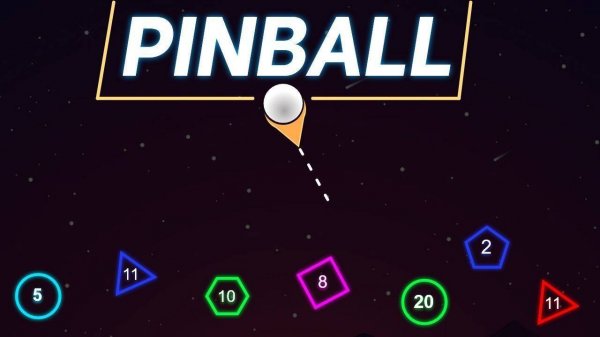
Tile Pinball Frenzy presents a straightforward objective: clear all colored tiles from the playfield using a single pinball. Each level features a unique arrangement of tiles that slowly descend from the top, adding a gentle time pressure. Players must aim and launch the ball with precision, using the flippers to keep it in play. The physics engine simulates realistic ball movement, including bounces off walls and tiles, making every shot feel responsive. As tiles are destroyed, the layout changes, requiring quick adjustments to aim. This loop of launch, bounce, and clear keeps each session focused and rewarding.
Visual Style and Atmosphere
The game adopts a clean, vibrant visual style that emphasizes clarity. Each tile is brightly colored and distinct, making it easy to track targets at a glance. The playfield is designed with subtle gradients and simple backgrounds to reduce visual clutter. Animations are smooth and satisfying, with tiles breaking apart in small particle effects. The overall presentation feels modern while retaining a nostalgic arcade charm. Sound effects complement the action, with distinct audio cues for ball launches, tile breaks, and multi-ball activations. This combination creates an inviting environment suitable for players of all ages.
Strategic Depth Through Multi-Ball Mechanics
Hidden within the tile layouts are special symbols that grant extra balls when hit. These extra balls can accumulate, leading to multi-ball sequences where several balls are in play simultaneously. This mechanic introduces a layer of strategy: players must decide whether to focus on clearing tiles or to hunt for these symbols to build up multi-ball potential. Multi-ball volleys can clear large sections of tiles quickly, but they also require careful management to avoid losing all balls at once. Mastering this balance between risk and reward is key to achieving top scores.
Progression and Difficulty Curve
Early levels introduce basic tile arrangements and gentle descent speeds, allowing new players to learn the controls and physics. As players advance, tile layouts become more complex, with tighter clusters and faster descent rates. Some levels may include tiles that require multiple hits to break, adding an extra challenge. The difficulty increases gradually, ensuring that players can develop their skills without feeling overwhelmed. Each level can be replayed to improve scores, encouraging repeated attempts and mastery. This progression system keeps the game engaging for both casual sessions and dedicated practice.
Accessibility and Control Design
The controls are designed to be intuitive for players of all skill levels. A simple tap or click launches the ball, and flipper buttons are clearly marked. The game supports both touch and mouse input, making it playable on various devices. There are no complex menus or tutorials to navigate; players can start a game immediately. The interface displays score, remaining balls, and level progress clearly without obstructing the playfield. This focus on accessibility ensures that anyone can pick up the game and start having fun within seconds.
COMMENTS
0 comments